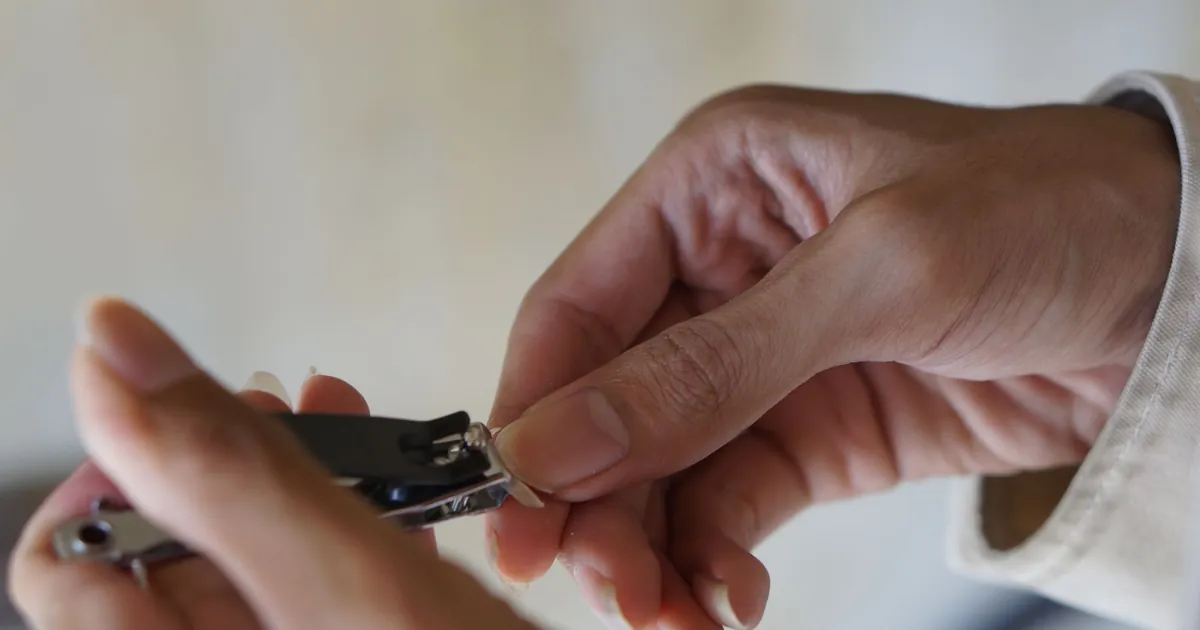
TL;DR. Nails that peel in thin layers at the tip are very common, and the cause is usually everyday wear rather than anything serious: hands that are often wet and then dry out, cleaning products, harsh removers, peeling off polish or gel, and using nails as tools. Gentle care usually helps: wear gloves for wet work, moisturize nails and cuticles, file in one direction, keep nails a little shorter and remove polish and gel properly. New, healthier nail takes months to grow out, so be patient. If peeling continues despite gentle care, or comes with pain, color changes or changes in the nail shape, see a doctor or dermatologist.
What peeling nails are
Your nail plate is made of thin layers of keratin. When those layers dry out or get damaged, they can separate at the free edge and flake off, usually starting at the tip. You may see white, flaky edges, layers that split apart, or polish that chips together with a thin layer of nail.
Peeling is different from a nail that cracks or breaks across. If your nail has split or broken, see our guide on how to fix a broken nail.
Common everyday causes
- Wet, then dry, again and again. Nails absorb water and swell, then shrink as they dry. Frequent hand washing, washing up and long baths repeat that cycle and weaken the layers.
- Cleaning products and harsh removers. Detergents and frequent use of strong removers dry out the nail and the skin around it.
- Peeling off polish or gel. Pulling off polish, gel or a broken tip takes the top layers of the nail with it.
- Heavy filing and buffing. Over-buffing the surface or sawing back and forth with a coarse file thins the nail and frays the edge.
- Using nails as tools. Opening cans, scraping labels or picking at things puts stress on the free edge.
- Dry air and cold weather. Many people notice peeling gets worse in winter, when skin and nails lose moisture faster.
Less often, nail changes are linked to a health condition, a skin condition or a reaction to a product. That is why ongoing peeling that does not improve with gentle care is worth getting checked.
A gentle routine for peeling nails
- Wear gloves for wet work. Cotton-lined rubber gloves for washing up and cleaning make a noticeable difference.
- Moisturize after washing. Rub hand cream into your nails and cuticles, not just your hands. A cuticle oil before bed helps too. Our cuticle care guide shows how.
- File in one direction. Use a fine glass or crystal file and stroke from the side to the center. Avoid sawing back and forth.
- Keep nails a little shorter. A shorter free edge catches less and has fewer layers to peel while healthier nail grows in.
- Go easy on buffing. Buff the surface rarely and lightly, if at all.
- Remove polish and gel properly. Use a gentle remover for polish and soak off gel instead of peeling it. See how to remove gel polish at home.
Polish, gel and enhancements while nails recover
A base coat and polish can protect the tip from knocks, as long as you remove them gently. Some people find a break from gel or acrylics helps, especially if peeling started after a removal. Our guide to repairing damaged nails covers recovery after gel and acrylics in more detail.
If you want strength while your nails grow, builder gel is one option. The guide to gel polish vs builder gel explains the difference. Whatever you choose, gentle prep and soak-off removal matter more than the product.
How long it takes to see a difference
The peeling layers you see now formed weeks or months ago, so new habits take time to show. Fingernails grow slowly, and it takes several months for a whole nail to be replaced by new growth. Our nail growth calculator gives a rough idea of how long your nails need to grow out.
Food and supplements are often mentioned for nail health. A varied, balanced diet supports your body as a whole, but talk to a doctor or pharmacist before starting supplements, especially if you take other medicines.
When to see a doctor or dermatologist
- Peeling that continues for months despite gentle care.
- Pain, swelling, redness or pus around the nail.
- Changes in color, such as dark streaks, yellowing or white patches that spread.
- Changes in shape, such as pitting, thickening, spoon-shaped nails, or the nail lifting off the nail bed.
- Changes in several nails at once, or nail changes together with other symptoms.
These signs do not always mean something is wrong, but they are worth showing a professional who can look at your nails in person.
Keep an eye on your progress
Photos taken under the same light every few weeks make slow changes easier to see. The CutieCure app includes a nail health check that looks at a photo of your nails for signs such as dryness, ridges and peeling and suggests a care routine. It is a tool for tracking everyday nail care, not a medical diagnosis.
Frequently asked questions
Why do my nails peel in layers?
Usually because the layers of the nail dry out or get damaged by frequent wetting and drying, cleaning products, harsh removers, peeling off polish or gel, heavy filing or using nails as tools.
How do I stop my nails from peeling?
Wear gloves for wet work, moisturize nails and cuticles after washing, file gently in one direction, keep nails a little shorter and remove polish and gel properly instead of peeling them.
Can gel nails cause peeling?
Peeling often shows up after gel when it is peeled or pried off, or when the nail was filed heavily during prep. Soak-off removal and gentle prep reduce the risk.
How long does it take for peeling nails to improve?
You may notice less peeling within a few weeks of gentler habits, but a fully new nail takes several months to grow out.
When should I see a doctor about peeling nails?
If peeling continues despite gentle care, or comes with pain, swelling, color changes, changes in nail shape, or affects many nails at once, see a doctor or dermatologist.
Track your nail care
Free to download. Check your nails from a photo with CutieCure, follow a simple care routine and preview your next manicure on your own hand.
Download CutieCure Google PlayRelated guides
- How to repair damaged nails
- Cuticle care guide
- How to grow your nails faster
- How to fix a broken nail
Related free tools
- Nail growth calculator: Fingernails grow about 3 to 3.5 mm a month. See how many weeks it takes to reach short, medium or long nails.