TL;DR. A Russian manicure is a dry manicure done with an electric file, often called an e-file manicure. The technician uses small rotating bits to lift and remove dead cuticle tissue from the nail plate and clean the sidewalls, without soaking the fingers. Gel polish is then applied very close to the cuticle, so the result looks neat for longer, often 3 to 4 weeks. Done badly, it can thin the nail, cut the skin or cause infection, so a trained technician and sterilized tools matter a lot.
What is a Russian manicure?
A Russian manicure is a detailed cuticle clean-up done on dry nails with an electric file, also called an e-file or drill. It is also known as an e-file manicure, a dry manicure or a machine manicure. The technique became popular in Eastern Europe and is now offered in many salons around the world.
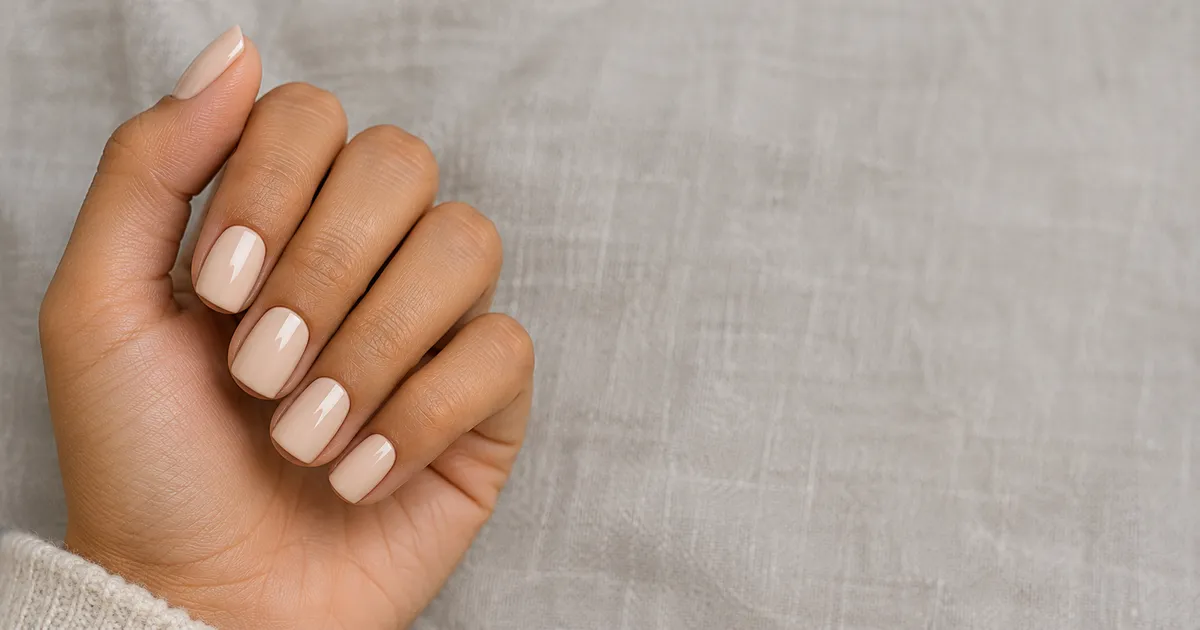
The goal is a very clean nail plate and a tidy, even line at the cuticle. Gel polish is then applied as close to that line as possible. This is the look people usually mean when they ask for a Russian manicure: color that seems to grow straight out of the skin, with no visible gap.
Russian manicure vs a classic wet manicure
- Dry vs wet. A classic manicure starts by soaking the fingers in warm water to soften the skin. A Russian manicure skips the soak and works on dry skin.
- Tools. A classic manicure uses hand tools: a pusher, nippers and a file. A Russian manicure mainly uses an e-file with small bits, and often nippers for the last trim.
- Detail. The e-file cleans the sidewalls and the area around the cuticle more closely. This lets gel go closer to the skin.
- Time and price. A Russian manicure usually takes longer, often 1.5 to 2 hours with gel, and usually costs more.
- Polish. Classic manicures often use regular polish. Russian manicures are almost always paired with gel, and often a thin layer of builder gel to strengthen the nail.
Soaking makes nails swell slightly with water. As they dry, they shrink again, which can make polish lift sooner. This is one reason the dry method is popular for gel.
What happens during a Russian manicure
- Consultation. The technician looks at your nails and skin and asks about any sensitivity, recent cuts or skin conditions.
- Removing old product. Old gel is filed off, often with the e-file. Some technicians file most of it and soak the last layer.
- Shaping. The free edge is filed to your chosen shape and length.
- Lifting the cuticle. Using a small, soft bit at low speed, the technician gently lifts the dead cuticle tissue that sticks to the nail plate.
- Cleaning the sidewalls. Small bits clean dry skin from the grooves along the sides of the nail.
- Trimming. Loose dead skin is trimmed with nippers or removed with a bit. A careful technician only removes dead tissue, not living skin.
- Prep and gel. The nail is lightly buffed and cleaned. Base, often a thin builder layer, and color are applied close to the cuticle line and cured.
- Finish. A top coat is applied and cured, then cuticle oil is massaged in.
Russian manicure looks to ask for
The clean cuticle line suits simple, glossy colors best. Popular choices include:
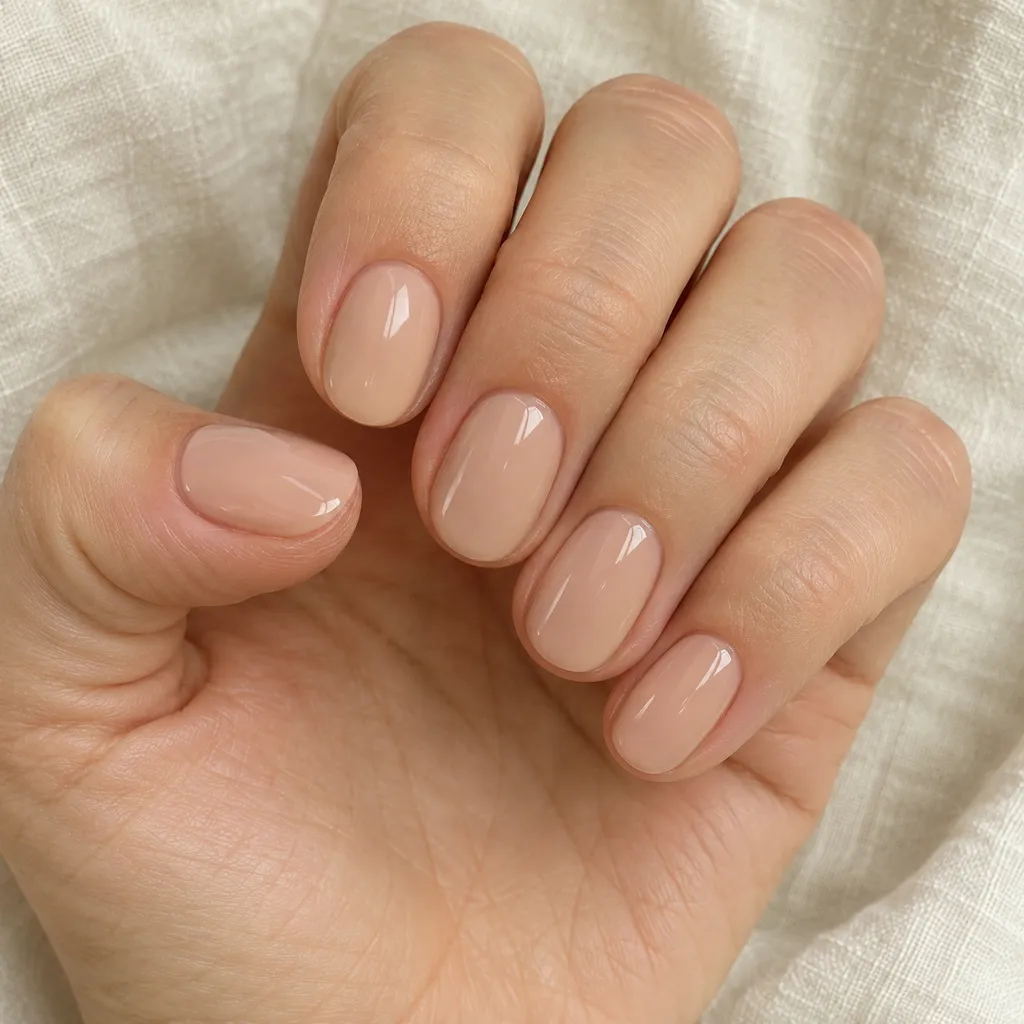
- Clean nude gel. A creamy nude that matches your skin tone, on short squoval or oval nails. It shows off the neat cuticle line.
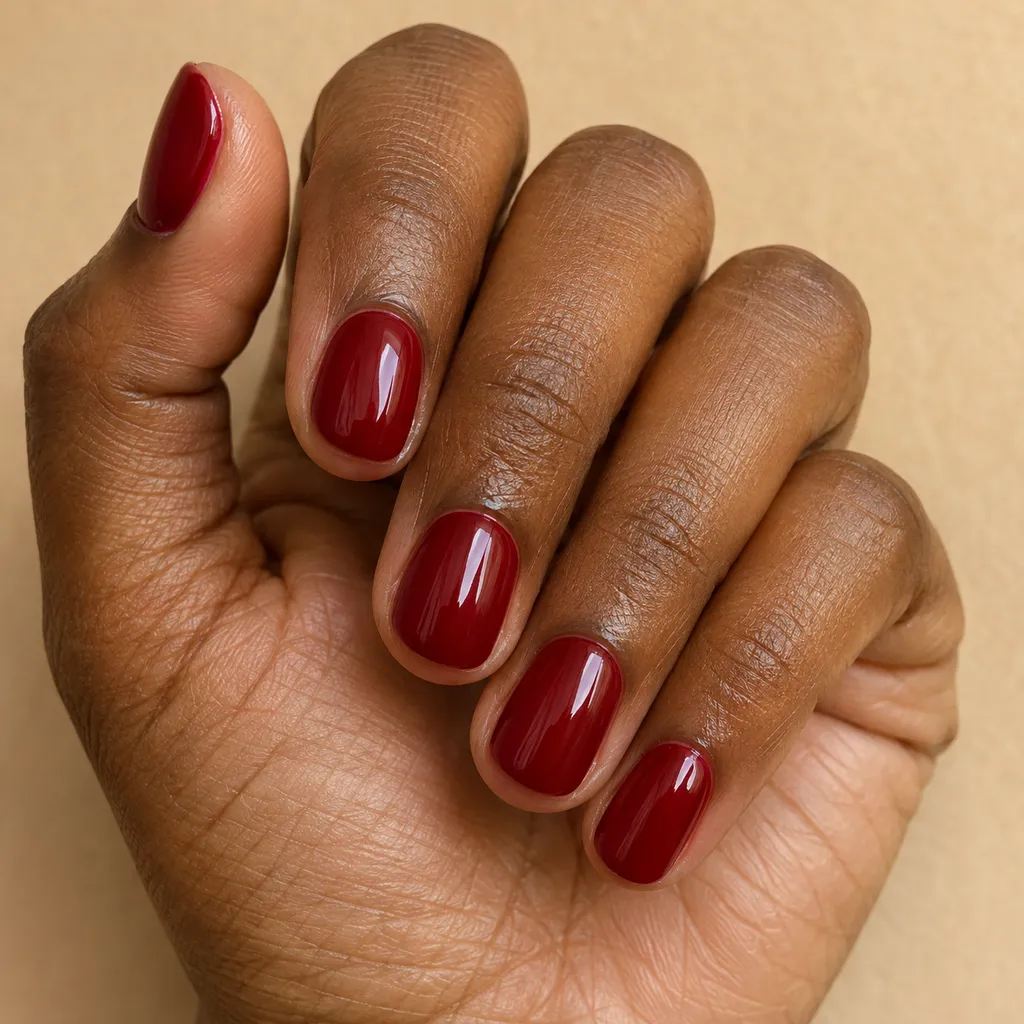
- Classic red close to the cuticle. A deep cherry or true red gel placed right at the cuticle, on short rounded nails. Bold colors make the precision easy to see. Browse our red nail designs for more shades.
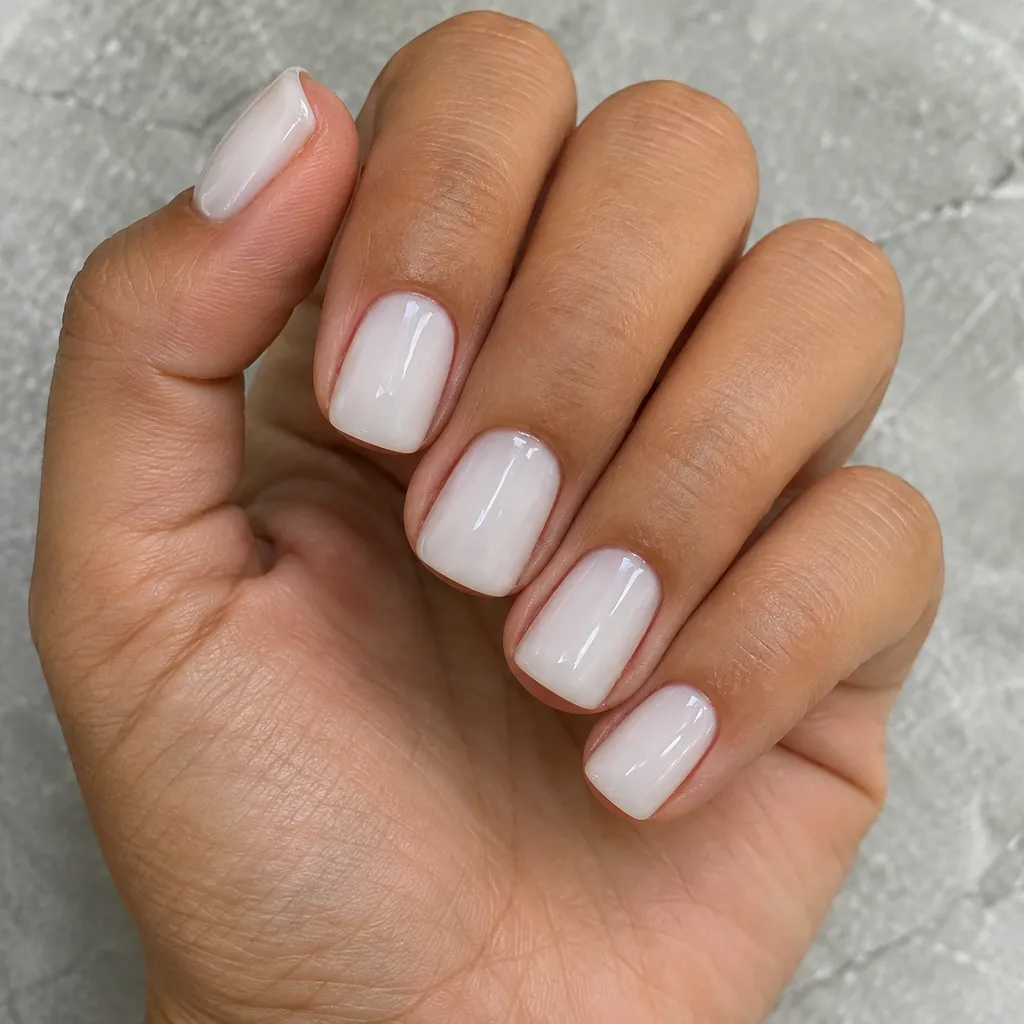
- Milky white squoval. A soft, milky white on short squoval nails. Clean and fresh. See our milky white nails post.
- Micro French. A sheer pink base with a very thin white tip on short almond nails. Subtle and elegant.
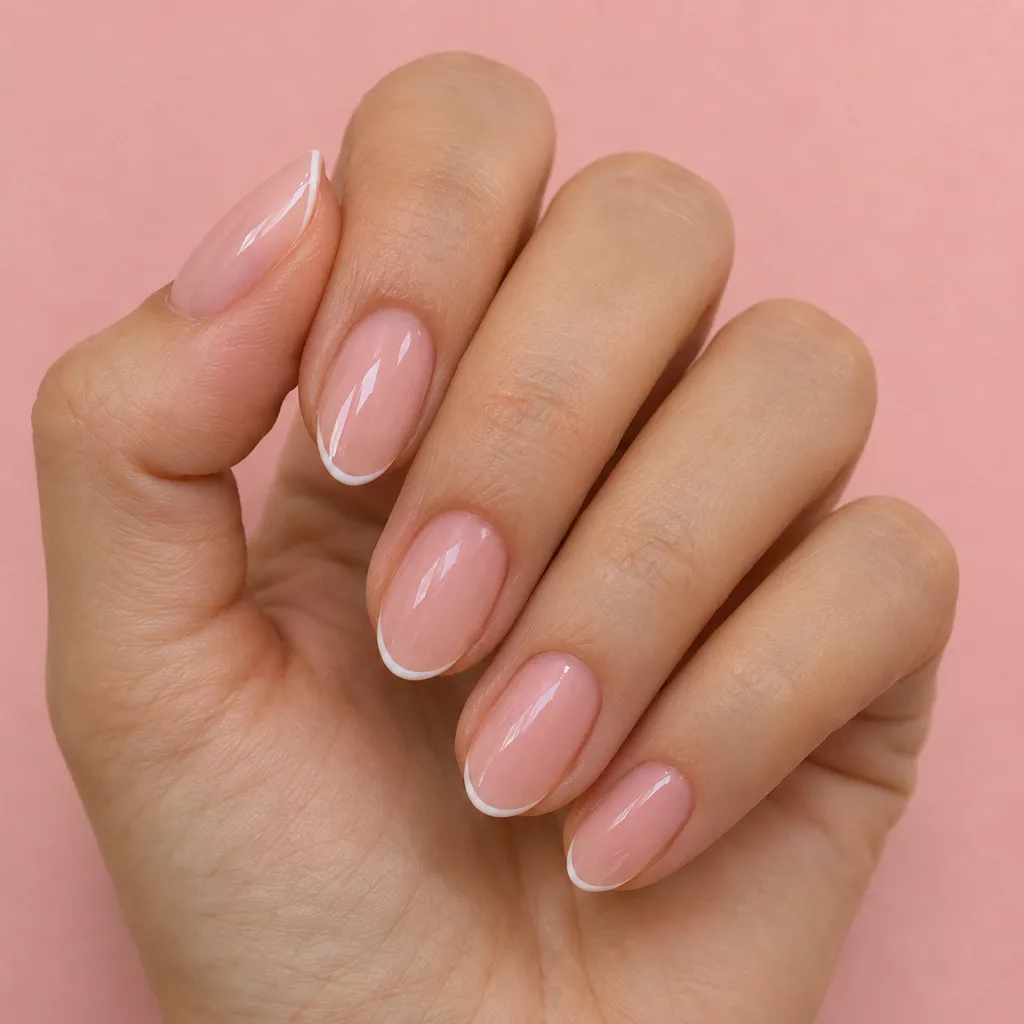
- Sheer pink glaze. One coat of sheer pink over a thin builder layer. It looks like your own nails, only smoother and shinier.
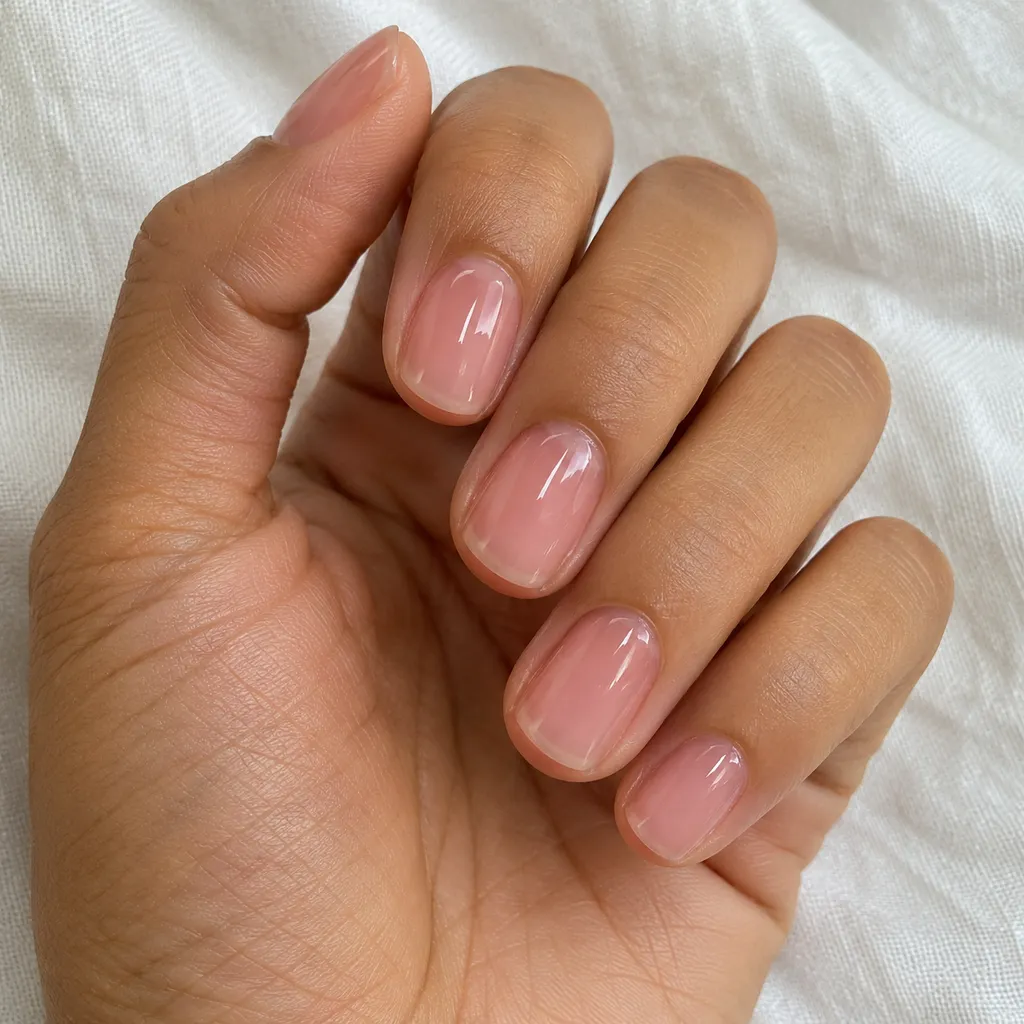
Short to medium lengths show off a Russian manicure best. Our nail shapes guide helps you choose a shape.
How long a Russian manicure lasts
Because the cuticle area is very clean and the gel starts close to the skin, the look often stays neat for 3 to 4 weeks. The gel itself lasts about as long as a normal gel manicure. Our guide to how long gel nails last explains what affects wear time.
The cuticle will grow back over time, as it should. Many people book every 3 to 4 weeks. Between visits, cuticle oil once or twice a day keeps the skin soft and helps the gel look fresh. Do not cut or bite your cuticles at home.
Risks: what can go wrong
A Russian manicure is only as safe as the person doing it. The main risks are:
- Over-filing. An e-file used on the nail plate at high speed or pressure can thin the nail. Thin nails bend, split and can feel sore.
- Heat. Friction from the bit can cause a burning feeling. A good technician stops before it gets hot.
- Cuts and bleeding. Removing living skin instead of dead tissue can cause small cuts and sore cuticles.
- Infection. Bits, nippers and files that are not cleaned and sterilized between clients can spread bacteria and fungus. Cuts make infection more likely.
- Damage to the cuticle seal. The cuticle seals the gap between the nail and the skin. Dermatologists usually advise against cutting or removing living cuticle skin, because the seal helps keep germs out.
If you notice redness, swelling, pus or pain around a nail after any manicure, see a doctor. If your nails feel thin, our guide to repairing damaged nails can help.
How to choose a qualified technician
- Ask about training. E-file work needs specific training. Ask where the technician learned it and how long they have done it.
- Look for sterilized tools. Metal bits and nippers should come out of a sealed pouch from a sterilizer, such as an autoclave. Files and buffers should be new or used for one client only.
- Look at their work. Photos should show neat cuticles with no redness, cuts or swollen skin.
- Expect gentle work. A Russian manicure should not hurt. Speak up at once if you feel pain, heat or stinging.
- Watch for warning signs. Bleeding, a technician who files the whole nail plate hard, or tools taken from an open drawer are reasons to stop the service.
Prices vary by city and salon. Our manicure cost calculator can help you compare.
Who a Russian manicure suits
It often suits people who wear gel regularly and want a very neat result that lasts, people whose cuticle tissue grows up onto the nail plate, and people who like a clean, natural look with short nails.
It may not suit you if your nails are already thin or damaged, or if you have eczema, psoriasis, cuts or an infection around the nails. If you have diabetes, a circulation problem or another condition that affects healing, ask your doctor before any manicure that removes skin. A gentle classic manicure and good daily care may be a better choice. Our cuticle care guide covers safe care at home.
Preview your clean manicure first
A Russian manicure is a long appointment, so it helps to know the color you want before you sit down. In the CutieCure app, you can design your own nails by describing a look, such as short squoval nails in glossy nude gel. The AI generates it on a photo of your own hand in a few seconds, and you can save it to show your technician.
Frequently asked questions
What is the difference between a Russian manicure and a regular manicure?
A Russian manicure is done on dry nails with an electric file and cleans the cuticle area in more detail. A regular manicure usually soaks the fingers and uses hand tools. Russian manicures are almost always finished with gel close to the cuticle.
Is a Russian manicure safe?
It can be when done by a trained technician with sterilized tools who removes only dead tissue. Over-filing, cuts and dirty tools are the main risks. It should never hurt or bleed.
How long does a Russian manicure last?
The clean look often lasts 3 to 4 weeks, which is why many people book every 3 to 4 weeks. Daily cuticle oil helps it stay neat.
Does a Russian manicure damage your nails?
Not when done well. Damage usually comes from filing the nail plate too much or removing living skin. If your nails feel thin or sore afterward, tell your technician and give your nails a break.
Can I do a Russian manicure at home?
It is not recommended without training. An e-file can thin the nail or cut the skin in seconds. At home, push back softened cuticles gently and use cuticle oil instead.
Choose your color before the appointment
Free to download. Describe a clean nude, red or milky white manicure in CutieCure and see it generated on a photo of your own hand before you book.
Download CutieCure Google PlayRelated guides
Related free tools
- Manicure cost calculator: Works out what gel, acrylic or press-on nails really cost you per set and per year.
- Gel and acrylic fill schedule: Shows when your next gel polish, builder gel (BIAB) or acrylic appointment is due, usually every 2 to 4 weeks.